

Glasgow City Region has taken the biggest leap forward this year, more than any other.
We have also ended 2025 on an enormous high, with vital progress on Devolution and exciting developments on our Clyde Mission and Local Innovation Partnership programmes.
Our new Regional overview film showcases the scope of our current remit and the £2 billion portfolio we oversee – which is only set to grow.
Devolution
In the last blog I updated on progress in our devolution ambitions with the First Minister’s announcement that the Scottish Government will introduce new legislation in the next Parliament to enable us to establish a legal entity for the Region that will provide the foundation for a devolution deal and further funding and powers to allow us to make decisions locally to grow the economy.
This is about devolution to Place, with all partners in the public, private, academic and third sectors involved in shaping our new structure and proposition.
In January we will come forward with further detail on how we are going to develop our proposals including the structures and partners involved.
Local Innovation Partnership Fund
We recently set out the approach to our £50 million Local Innovation Partnership Fund which will focus on the Health and Life Sciences cluster, supported by digital and enabling technology activity.
The portfolio will include £25 million for R&D commercialisation, £20 million for lab space, and £5 million for skills development – a clear signal of the scale of ambition across our programmes.
Last week we formally launched the £25 million Open Call for ambitious funding proposals, targeted at projects which are delivering transformative research and development – accelerating the commercialisation of research or turning research into practical real-world use such as product development, prototyping, tech transfer and patents. Applications should be submitted by 20 February 2026.
The focus on the Health and Life Sciences sector was underpinned by detailed analysis on the local innovation ecosystem by the Region’s Intelligence Hub to identify the sectors that offered the most potential to grow the economy, validated by industry experts.
The sector now supports over 10,000 jobs and has seen a 47% increase in employment between 2019 and 2023.
Clyde Mission
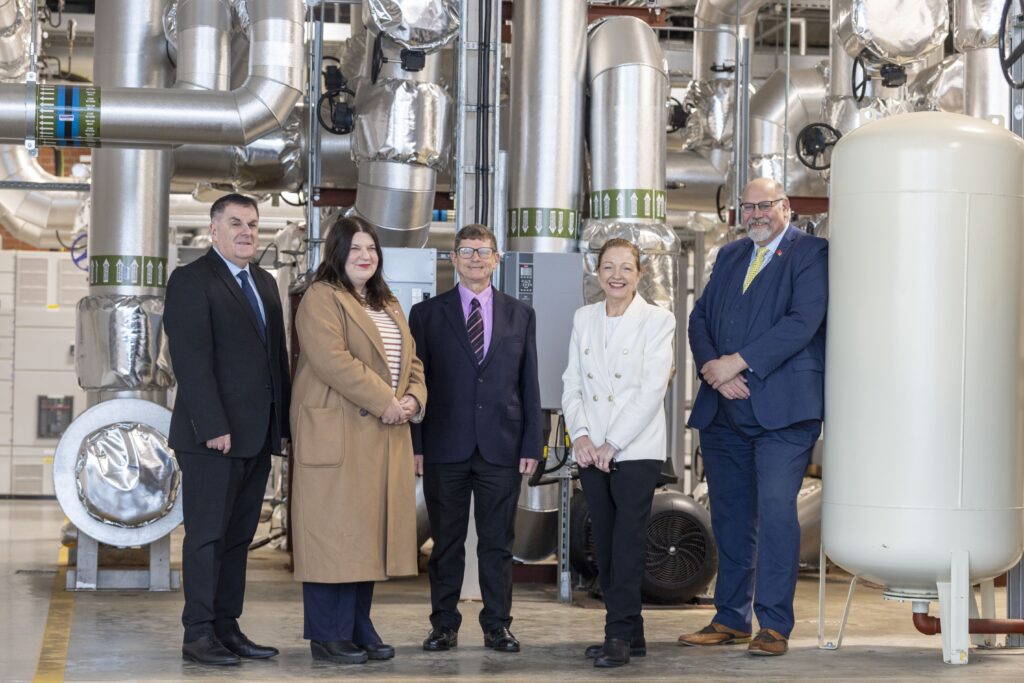
Last week we launched a £25 million fund for projects that support and accelerate the transition from fossil fuel heating to low-carbon alternative heating systems.
Focused on the river corridor as part of the Clyde Mission programme, the new Heat Decarbonisation Fund will offer capital grants for clean energy initiatives such as new or upgraded district heating networks, contributing to Regional and national carbon reduction targets.
The fund was launched at West Dunbartonshire Council’s Energy Centre which supports a state-of-the-art district heating system and hosts Scotland’s first major water source heat pump – a fitting location that illustrates the continuing transformation of the Clyde and the Region.
Applications for the first phase of funding will close in February 2026.
Consultants have also just been appointed to support the development of the Clyde Mission Strategic Masterplan whichwill include the development of a long‑list of projects for delivery across strategic themes, signature locations and priority actions, forming a long‑term programme of activity and investment. In the coming months there will be a series of stakeholder engagement activities.
Investment Zone
At November’s Cabinet, we advanced the £160 million Investment Zone programme, with approval of the Strategic / Outline Business Case which details the programme parameters, budget and components, alongside an initial £2.13 million ask for funding to support projects through their Business Case stages.
A formal launch event is anticipated in the new year. But in the meantime, you can watch a short overview film on our YouTube channel.
Economic Briefing
The Intelligence Hub’s Autumn Budget summary briefing outlines the key announcements and their impacts on the economy, with the Region receiving some targeted investment including £50 million for the Local Innovation Partnership Fund and £20 million for the redevelopment of Inchgreen Dry Dock.
Living Wage Update – A Major Milestone
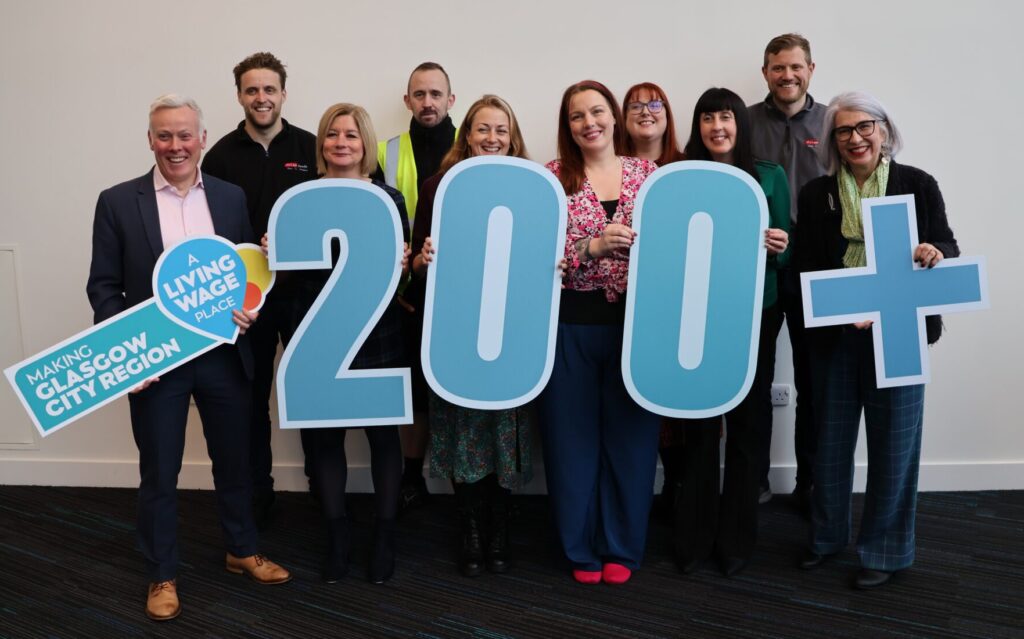
November marked the first anniversary of our Living Wage Region campaign, and during Living Wage Week, we announced a major achievement: surpassing our year-one target of 200 new Living Wage accredited employers.
Backed by Living Wage Scotland, the campaign involves working closely with businesses and third sector organisations, with an Action Group of employers, bringing together the Region’s eight councils with NHS Boards, large businesses, charities and smaller employers driving the campaign.
The collective commitment by the local councils and influential employers in the Region to tackle low pay supports ambitions within our Regional Economic Strategy to drive inclusive growth and productivity – challenges specific to the Regional economy.
We will be looking at how we can do more in the next 12 months to drive more Living Wage Employer accreditations and are seeking the support of local employers from all sectors.
City Deal Update
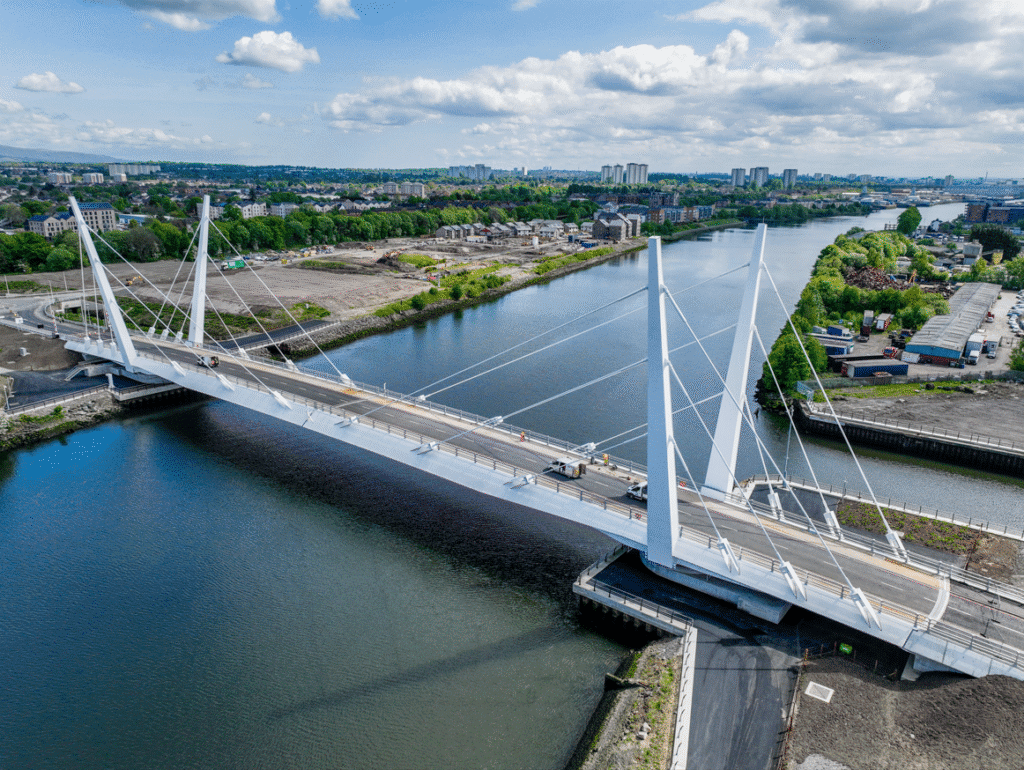
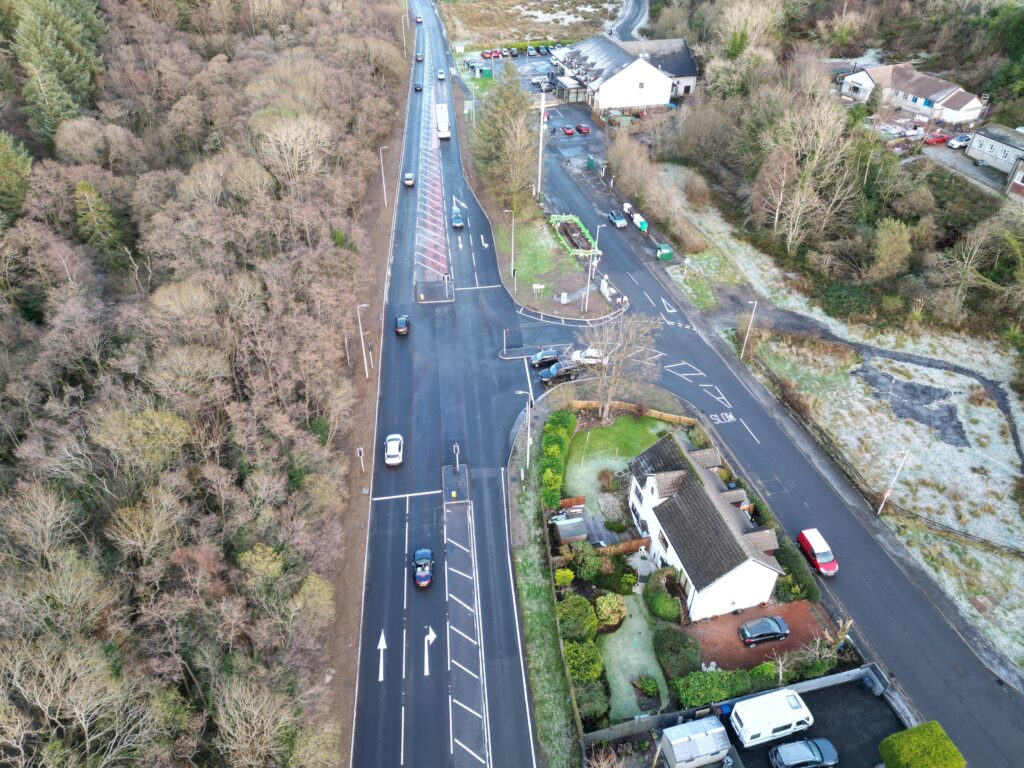
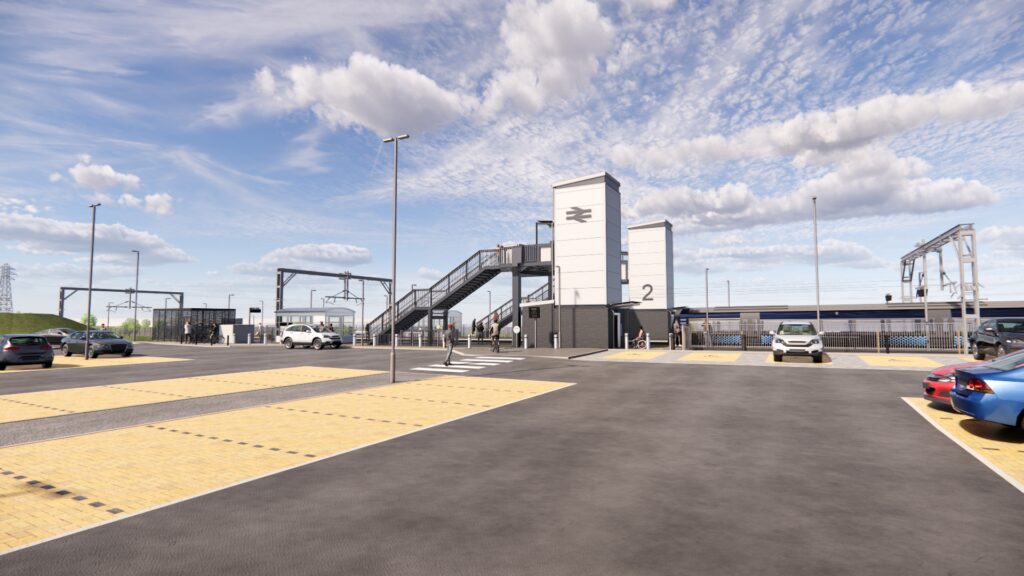
The Renfrew Bridge celebrated its one millionth crossing, a testament to the impact of improved connectivity for local communities and businesses.
And we shared drone footage of the new Barrhead railway station, showcasing progress on this vital new transport link.
In Inverclyde, work on the £4 million road improvement project on the A78 at Inverkip is complete, paving the way for a major housing development.
5G / Smart and Connected Social Places
Our Smart and Connected Social Places programme continues to drive innovation, supporting projects that harness technology to improve services and the lives of our residents.
A detailed survey of mobile phone networks across Glasgow identified where improvements are needed to give residents and visitors a faster, more reliable mobile experience.
Data gathered on the strength of signal from the UK’s four mobile operators on Glasgow city centre, Celtic Park, Hampden Park, Ibrox, Scotstoun, and the OVO Hydro showed that the main issue is not coverage gaps but capacity pressures, where large crowds place heavy demand on mobile networks, leading to slower speeds and unreliable service.
Findings have been shared with all major mobile phone operators with the ask that they introduce infrastructure improvements where needed.
We also recently announced a new funding boost for social landlords and tenants for a project to support them to adopt and benefit from new technology.
It has been a busy last few months, and the next six months are set to be even busier.
Follow us on LinkedIn and sign up to our newsletters to keep up to date on the latest progress and economic trends.